
.
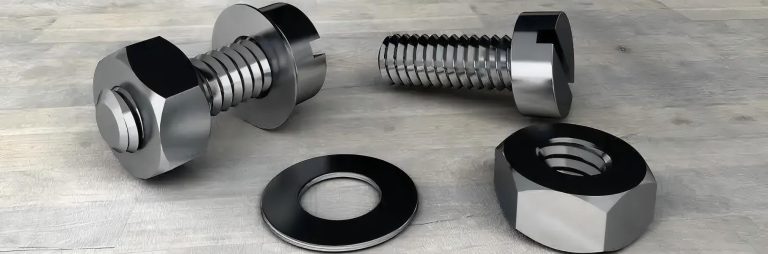
Multi-SKU Equipment Assembly and Export Projects
Upload Your BOM for an Equipment Fastener Kit Quote
A machine, automation module, production line or export installation project may require many bolts, nuts, screws, washers, threaded rods, studs, pins and connection components. Send one BOM to organize the hardware by equipment, module and quantity per set instead of sourcing every SKU separately.
Start with an Excel file, PDF, drawing package, customer part-number list or material list. Please include the quantity required for each machine, module or installation kit where available.
Fasteners organized for equipment assembly
- Bolts, nuts, screws, washers, threaded rods and studs
- Pins, connection components and drawing-based fastening parts
- Related hardware organized by equipment and assembly requirement
One project package for multiple line items
- One machine, automation module, installation station or production line
- Equipment export, maintenance, replacement or repeat-purchase projects
- Multiple SKUs submitted through one BOM, drawing package or part-number list
What happens after you upload
- We review available line-item information for your RFQ
- Missing details can be clarified during the review
- Confirmed specifications and final supply terms form the basis for formal quotation
Review equipment fastener kit requirements
Fasteners organized for equipment assembly
- Bolts, nuts, screws, washers, threaded rods and studs
- Pins, connection components and drawing-based fastening parts
- Related hardware organized by equipment and assembly requirement
One project package for multiple line items
- One machine, automation module, installation station or production line
- Equipment export, maintenance, replacement or repeat-purchase projects
- Multiple SKUs submitted through one BOM, drawing package or part-number list
Files to include in your BOM review
- Customer part numbers, specifications and quantity per assembly
- Equipment model, module, workstation or drawing reference
- Installation sequence, packing, labels or project delivery requirements
What happens after you upload
We review the available line-item information for your RFQ. Missing details can be clarified during the review, and confirmed specifications and final supply terms support the formal quotation.
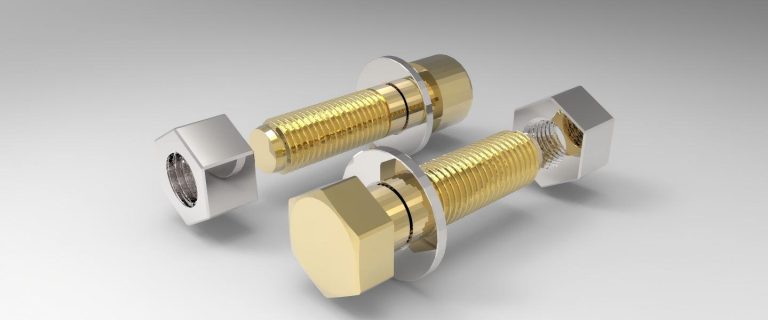
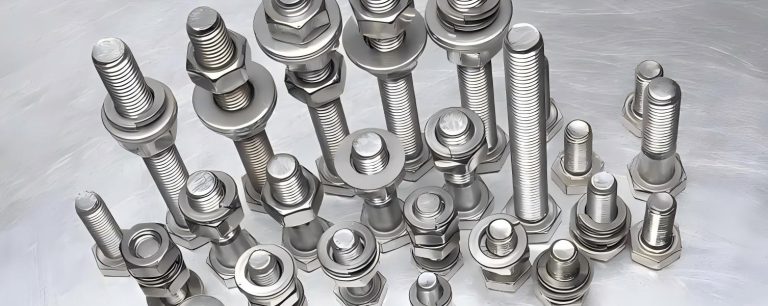
BOM-Based Equipment Assembly and Project Hardware
Upload Your BOM for an Equipment Assembly Hardware Kit
A BOM-based hardware kit suits equipment and installation projects with multiple bolts, nuts, washers, screws, threaded rods, studs, pins, connection components or drawing-based parts. It is designed for hardware organized by the equipment and assembly, not an undifferentiated bulk purchase of loose fasteners.
Projects that benefit from a hardware kit
- Assembly hardware for one machine or equipment unit
- Fastener kit for one equipment module
- Installation hardware for an automation production line
- Assembly fastener lists for conveying, packaging equipment or fixtures
- On-site installation kits for exported equipment
Repeat and multi-model procurement
- Maintenance, repair and spare-part fastener kits
- Repeat or annual purchasing for multiple equipment models
- Multi-SKU bolt, nut and washer procurement projects
- Standard fasteners, drawing-based connection components and related CNC-machined parts in one project package
When project organization matters
- Fasteners bagged by equipment model, module, workstation, drawing reference or installation sequence
- Customer part numbers, item numbers, labels, barcodes or outer-carton markings
- Pallet, export-packing, packing-list or delivery-document requirements
- Site issue, installation, maintenance replenishment or repeat ordering needs
Why submit a BOM instead of separate SKU requests
A project BOM helps organize different bolts, nuts, washers, screws, threaded rods, studs, pins, connection parts and drawing-based items around the actual equipment. This can reduce repeated specification checks and help assembly teams identify the required items and quantities.
Start your equipment hardware kit RFQ
Upload your equipment BOM, module list, drawings or customer part-number list. Include the equipment model, module, workstation, drawing reference, installation sequence and quantity per assembly where available.
Review whether your project fits a BOM hardware kit
Projects that benefit from a hardware kit
- One machine, equipment unit or equipment module
- Automation production line, conveying equipment, packaging equipment or fixture assembly
- Export installation, maintenance, repair, spare parts or repeat purchasing
Hardware that can be organized in one BOM
- Bolts, nuts, washers, screws, threaded rods, studs, pins and connection components
- Drawing-based connection components and related CNC-machined parts where required
- Multiple equipment models, line items or annual purchasing requirements
When project organization matters
- Bagging by equipment, module, workstation, drawing reference or installation sequence
- Customer part numbers, item numbers, labels, barcodes or outer-carton markings
- Pallet, export-packing, packing-list or delivery-document requirements
Start your BOM hardware kit RFQ
Send your equipment BOM, module list, drawings or customer part-number list. Include the model, module, workstation, drawing reference, installation sequence and quantity per assembly where available.
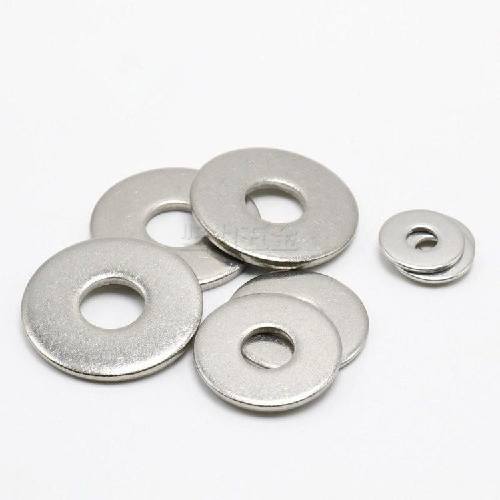
BOM-Based Equipment Assembly and Export Packing
Upload Your BOM to Organize a Multi-SKU Fastener Kit
A BOM kit is more than placing different products in one carton. For equipment assembly and export projects, fasteners and related parts need to align with the equipment structure, module breakdown, assembly sequence, part identification and transport requirements.
Review the multi-SKU fastener list
- Bolts, nuts, screws, washers, threaded rods, studs, pins and connection components
- Category, specification, quantity and related hardware for each line item
- BOM, drawing, customer part number or specification-sheet references
Confirm quantity by equipment and module
- Quantity for one machine, one module, one installation kit, one workstation or one maintenance cycle
- Total project quantity and related line-item requirements
- Equipment, module or assembly-kit organization where available
Confirm specifications and assembly relationships
- Standard, dimensions, threads, material, property class and surface treatment
- Related nuts, washers, pins, connection components or other mating parts
- Details that affect quotation, assembly or delivery conditions
Organize kitting by equipment logic
- Equipment model, module, workstation, drawing reference, item number or installation step
- Bagging and material-organization requirements for the project
- Final kitting approach confirmed according to product dimensions, weight, quantity and packing requirements
Confirm labels and packing identification
- Equipment model, module name, drawing reference or customer part number
- Part specification, quantity, bag number or installation location
- Customer-required label content, barcode or outer-carton marking where applicable
Confirm export packing and project documents
- Cartons, pallets, outer-carton marking, moisture protection, rust prevention and export-packing requirements
- Transport method, destination, quantity, dimensions and protection needs
- Packing lists, packing photos, label information and agreed quality or delivery documents
Include standard, custom and related mechanical parts
If the project includes standard fasteners, drawing-based connection components, locating parts, sleeves, brackets, flanges, shafts or other CNC-machined components, submit the relevant drawings and BOM together for project review.
Start your BOM packing review
Upload the BOM, drawing package or customer part-number list. We review the available information for multi-SKU organization, module kitting, labels, packing and delivery requirements.
Review BOM, kitting, packing and delivery requirements
Multi-SKU BOM and quantity review
- Bolts, nuts, screws, washers, threaded rods, studs, pins and connection components
- Category, specification, quantity and related hardware for each line item
- Quantity for each machine, module, installation kit, workstation or maintenance cycle
Specifications and assembly relationships
- Standard, dimensions, threads, material, property class and surface treatment
- Related nuts, washers, pins, connection components or other mating parts
- Details that affect quotation, assembly or delivery conditions
Kitting, labels and packing logic
- Kitting by equipment model, module, workstation, drawing reference, item number or installation step
- Label content, barcodes, bag number, installation location and outer-carton marking
- Cartons, pallets, moisture protection, rust prevention and export-packing requirements
Documents and related mechanical parts
- Packing lists, packing photos, label information and agreed quality or delivery documents
- Drawing-based connection components, locating parts, sleeves, brackets, flanges, shafts and related CNC-machined components
- Relevant drawings and BOM submitted together where required
Start your BOM packing review
Send the BOM, drawing package or customer part-number list. We review the available information for multi-SKU organization, module kitting, labels, packing and delivery requirements.
BOM-Based Equipment Assembly and Export Projects
Upload Your BOM with Equipment Assembly Requirements
A BOM that reflects the actual equipment structure makes it easier to review product selection, quantities, related hardware, kitting, labels, packing and delivery requirements in one project. You do not need every standard, material, dimension or quantity finalized before starting.
Project structure and quantities
- One machine, module, production line, workstation, installation kit or maintenance project
- Quantity per machine, assembly, module or workstation
- Equipment total, module total, installation-kit total, project quantity or annual demand where available
Line-item specifications and related hardware
- Product name, standard, dimensions, threads, material, property class, surface treatment and quantity for each SKU
- Nuts, washers, gaskets, pins, sleeves, connection components or other related hardware
- Drawing-based fasteners, locating parts, support parts and related CNC-machined components where required
Kitting and label requirements
- Bagging by equipment model, module, workstation, drawing reference, item number, installation sequence or customer-specified logic
- Label language, customer part number, part name, quantity, barcode, bag number and outer-carton marking
- Assembly and site-use information where available
Packing and protection requirements
- Inner bags, cartons, pallets, moisture protection, mix-up prevention, rust prevention and export-packing requirements
- Customer packaging, outer-carton marking and project protection needs
- Product dimensions, weights, quantities and handling requirements where available
Documents and inspection requirements
- Material certification, certificate of conformity, dimensional reports, inspection documents, packing lists or packing photos
- Customer part numbers, label information or other project records
- Document type, batch requirements and acceptance details where required
Delivery and trade information
- Destination, port or city and delivery requirements
- Transport method and requested EXW, FOB, CIF or other trade terms
- Export-document and project-delivery requirements where applicable
Include assembly information for multi-part projects
If the BOM includes multiple standard fasteners, drawing-based connection components and CNC-machined parts, submit assembly drawings or module notes where available. This helps clarify threads, dimensions, materials, mating relationships and packing logic across the project.
Start your BOM review with the information available now
Upload the BOM, drawing package or customer part-number list. Missing details can be clarified during the RFQ review as the project requirements become more defined.
Review the information to include with your BOM
Project structure and quantities
- One machine, module, production line, workstation, installation kit or maintenance project
- Quantity per machine, assembly, module or workstation
- Project total, installation-kit total or annual demand where available
Line-item specifications and related hardware
- Product name, standard, dimensions, threads, material, property class, surface treatment and quantity
- Nuts, washers, gaskets, pins, sleeves and other related hardware
- Drawing-based fasteners, locating parts, support parts and related CNC-machined components
Kitting, labels and packing
- Bagging by equipment, module, workstation, drawing reference, item number or installation sequence
- Label language, customer part number, part name, quantity, barcode, bag number and outer-carton marking
- Inner bags, cartons, pallets, moisture protection, mix-up prevention, rust prevention and export packing
Documents, delivery and trade information
- Material certification, certificate of conformity, dimensional reports, inspection documents, packing lists or packing photos
- Destination, port or city, delivery requirements and transport method
- Requested EXW, FOB, CIF or other trade terms and export-document requirements
Start your BOM review now
Send the BOM, Excel file, drawing package, customer part-number list, purchase list, sample photos or previous purchase records you have. Assembly drawings or module notes help clarify multi-part project requirements.
BOM-Based Equipment Assembly and Export Projects
Upload Your BOM to Organize Multi-SKU Equipment Fasteners
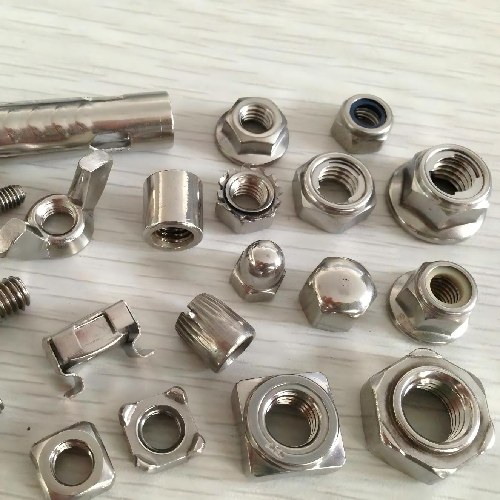
For equipment manufacturing, export installation, project delivery and maintenance, the practical cost of multi-SKU fasteners includes more than the unit price. It also includes repeated specification checks, on-site part searching, missing or mixed items, replenishment identification and supplier coordination.
Reduce repeated supplier coordination
Submit standard fasteners, drawing-based connection components, locating parts and related CNC-machined components in one project package to reduce repeated discussions of specifications, quantities and packing requirements across separate suppliers.
Reduce separate SKU purchasing
Use a BOM to organize product category, standard, dimensions, material, property class and quantity for multiple line items, making the project procurement scope easier to review.
Reduce missing and mixed-item risk
Confirm kitting and label logic by equipment model, module, drawing reference, workstation or installation sequence to help assembly teams identify the required part and quantity.
Support export and site installation
For exported equipment, submit label language, modular packing, outer-carton marking, pallet and packing-document requirements early so packing and site installation can be reviewed against the same project information.
Support maintenance and repeat purchasing
Equipment model, customer part number, bag number and module reference can be included as project identification information for maintenance, upgrades, repeat production or replenishment requirements.
Manage standard, custom and mechanical parts together
Submit bolts, nuts, washers, threaded rods and studs with custom fasteners, locating parts, brackets, flanges, shafts and other mechanical components in one project package to review their assembly relationship and relevant drawings.
Organize hardware around the actual equipment
Upload the equipment BOM, drawing package or customer part-number list. Organize multi-SKU fasteners by equipment, module, drawing reference, workstation or installation sequence instead of treating every item as an unrelated bulk purchase.
Start your equipment assembly hardware RFQ
Send the files you have for your equipment manufacturing or export installation project. We review the project information that affects line items, assembly organization, packing and later replenishment.
Review how a BOM can support your equipment project
Reduce coordination and separate SKU purchasing
- Standard fasteners, custom connection components, locating parts and related CNC-machined components in one project package
- Product category, standard, dimensions, material, property class and quantity organized through one BOM
- Relevant drawings and assembly information submitted together where available
Reduce missing and mixed-item risk
- Kitting and labels by equipment model, module, drawing reference, workstation or installation sequence
- Part and quantity identification for assembly teams
- Customer part numbers, bag numbers and module references for later replenishment
Support export, installation and maintenance
- Label language, modular packing, outer-carton marking, pallet and packing-document requirements
- Equipment export, site installation, maintenance, upgrades and repeat production
- Project information used for packing and replenishment review
Start your equipment assembly hardware RFQ
Upload the equipment BOM, drawing package or customer part-number list. Organize multi-SKU fasteners by equipment, module, drawing reference, workstation or installation sequence.
Project Kitting, Export Packing and Delivery Requirements
Upload Your BOM to Confirm Kitting, Labels and Export Packing
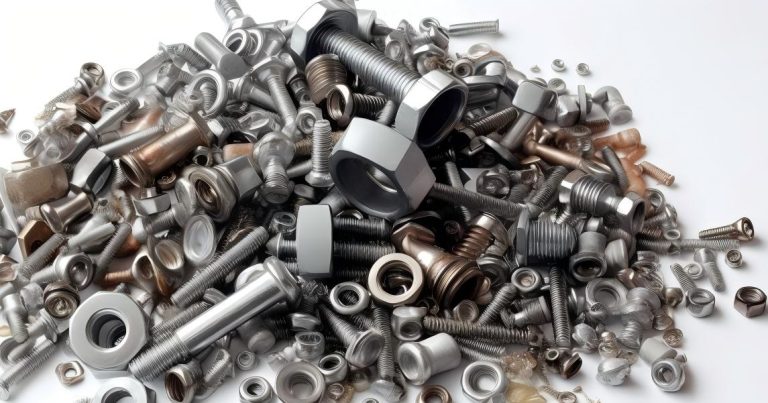
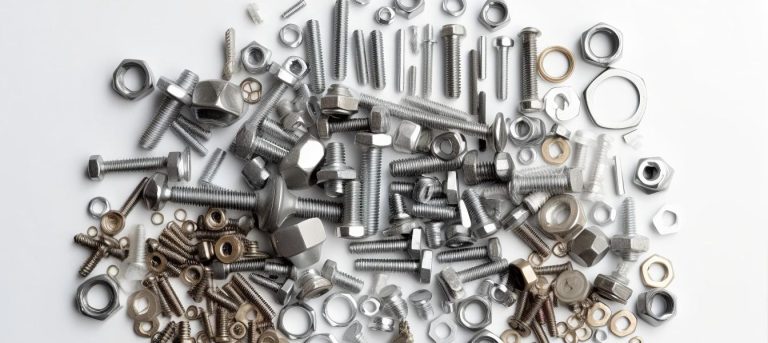
A BOM fastener kit is not simply different products placed in one carton. Product weight, dimensions, material, surface condition, quantity, equipment model, module logic, assembly sequence, label requirements and destination conditions can all affect the final packing and delivery arrangement.
Confirm quantity by bag, box and carton
- Quantity per bag, per box or per carton for each product
- Product weight, dimensions, material, surface condition and quantity where relevant
- Product-specific packing and handling requirements
Define the project kitting logic
- Bagging by equipment model, module, workstation, drawing reference or installation sequence
- Customer-specified bagging, material organization or installation requirements
- Final approach confirmed according to product, quantity and packing requirements
Confirm labels and packing identification
- Bag number, customer part number, product name, specification and quantity
- Equipment model, module name, drawing reference or installation location
- Barcode, QR code, customer internal code or outer-carton marking where required
Specify protection and export packing
- Inner bags, separation, moisture protection, rust prevention, mix-up prevention and impact protection
- Cartons, pallets, stretch wrap, reinforcement straps or other transport protection
- Outer shipping marks, project name, equipment number, destination and carton number
State document and quality requirements
- Material certification, certificate of conformity, dimensional reports, inspection documents, batch information or third-party inspection requirements
- Packing lists, packing photos, label-confirmation information or other delivery documents
- Required document types, batch correspondence and acceptance information
Provide delivery and transport information
- Destination, trade terms, export-packing and transport requirements
- Product category, quantity, proportion of drawing-based parts, related CNC-machined components and packing complexity
- Delivery arrangements confirmed against BOM completeness, production scheduling and final project requirements
Use one project logic from BOM to site installation
Send the BOM with kitting rules, label content, packing requirements and destination information. This allows material organization, packing, delivery and later replenishment needs to be reviewed against the same equipment export or site-installation project.
Confirm the final packing and delivery requirements
Packing, labels, batch identification, documents, export requirements, destination, trade terms and transport arrangements are confirmed according to the final product, order and project requirements.
Review kitting, labels, packing and delivery requirements
Bagging and project kitting rules
- Quantity per bag, box or carton for each product
- Bagging by equipment model, module, workstation, drawing reference or installation sequence
- Customer-specified bagging, material organization and installation requirements
Labels and packing identification
- Bag number, customer part number, product name, specification and quantity
- Equipment model, module name, drawing reference or installation location
- Barcode, QR code, customer internal code or outer-carton marking
Protection and export packing
- Inner bags, separation, moisture protection, rust prevention, mix-up prevention and impact protection
- Cartons, pallets, stretch wrap, reinforcement straps and transport protection
- Shipping marks, project name, equipment number, destination and carton number
Documents, delivery and transport
- Material certification, certificate of conformity, reports, inspection documents, batch information and third-party inspection requirements
- Packing lists, packing photos, label-confirmation information and delivery documents
- Destination, trade terms, transport, BOM completeness, production scheduling and packing complexity
Start your BOM packing review
Send the BOM with kitting rules, label content, packing requirements and destination information. We review the available project information for equipment export, site installation and later replenishment needs.
Final RFQ Step for Equipment Assembly Hardware
Upload Your BOM for an Equipment Assembly Hardware Quote
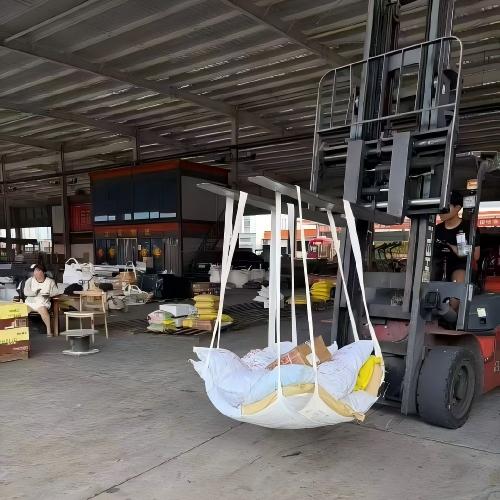
You do not need to purchase every fastener line item separately. Start your RFQ with the BOM, drawing package, Excel list, customer part-number list, specification sheet, purchase list, sample photos or previous purchase records you already have.
Start with the files you already have
- BOM, drawing package, Excel line-item list, specification sheet or purchase list
- Customer part-number list, sample photos or previous purchase records
- Equipment, automation module, production line, installation, export or maintenance project details
Include the project information available now
- Equipment model, module, workstation, drawing reference or installation sequence
- Quantity per machine, module or installation kit, project total and expected repeat demand
- Standard, specification, material, property class, surface treatment and related hardware for each SKU
Add packing, documents and delivery requirements
- Bagging logic, labels, bag number, barcode, cartons, pallets and export-packing requirements
- Material certification, certificate of conformity, inspection reports, packing lists or other document requirements
- Destination, delivery requirements, transport conditions and requested trade terms
What we review before quotation
We review the submitted line items, product requirements, quantities, related hardware, project organization, packing, labels, documentation and delivery conditions that affect the equipment assembly hardware RFQ.
Send your project files with confidence
Your BOM, drawings, customer part numbers and project information are used only to evaluate your RFQ and prepare for production review. If you require an NDA before detailed technical discussions, please note this in your RFQ.
Review the information to include in your equipment assembly hardware RFQ
Start with the files you already have
- BOM, drawing package, Excel list, specification sheet or purchase list
- Customer part-number list, sample photos or previous purchase records
- Equipment, automation, installation, export or maintenance project details
Include project and line-item information
- Equipment model, module, workstation, drawing reference or installation sequence
- Quantity per machine, module, installation kit, project total or repeat demand
- Standard, specification, material, property class, surface treatment and related hardware
Add packing, documents and delivery details
- Bagging logic, labels, bag number, barcode, cartons, pallets and export-packing requirements
- Material certification, certificate of conformity, inspection reports, packing lists or other documents
- Destination, delivery requirements, transport conditions and trade terms
What we review before quotation
We review submitted line items, product requirements, quantities, related hardware, project organization, packing, labels, documentation and delivery conditions that affect the RFQ.
File use and final confirmation
Your BOM, drawings, customer part numbers and project information are used only to evaluate your RFQ and prepare for production review. If you require an NDA before detailed technical discussions, please note this in your RFQ.